
2026-27 Season
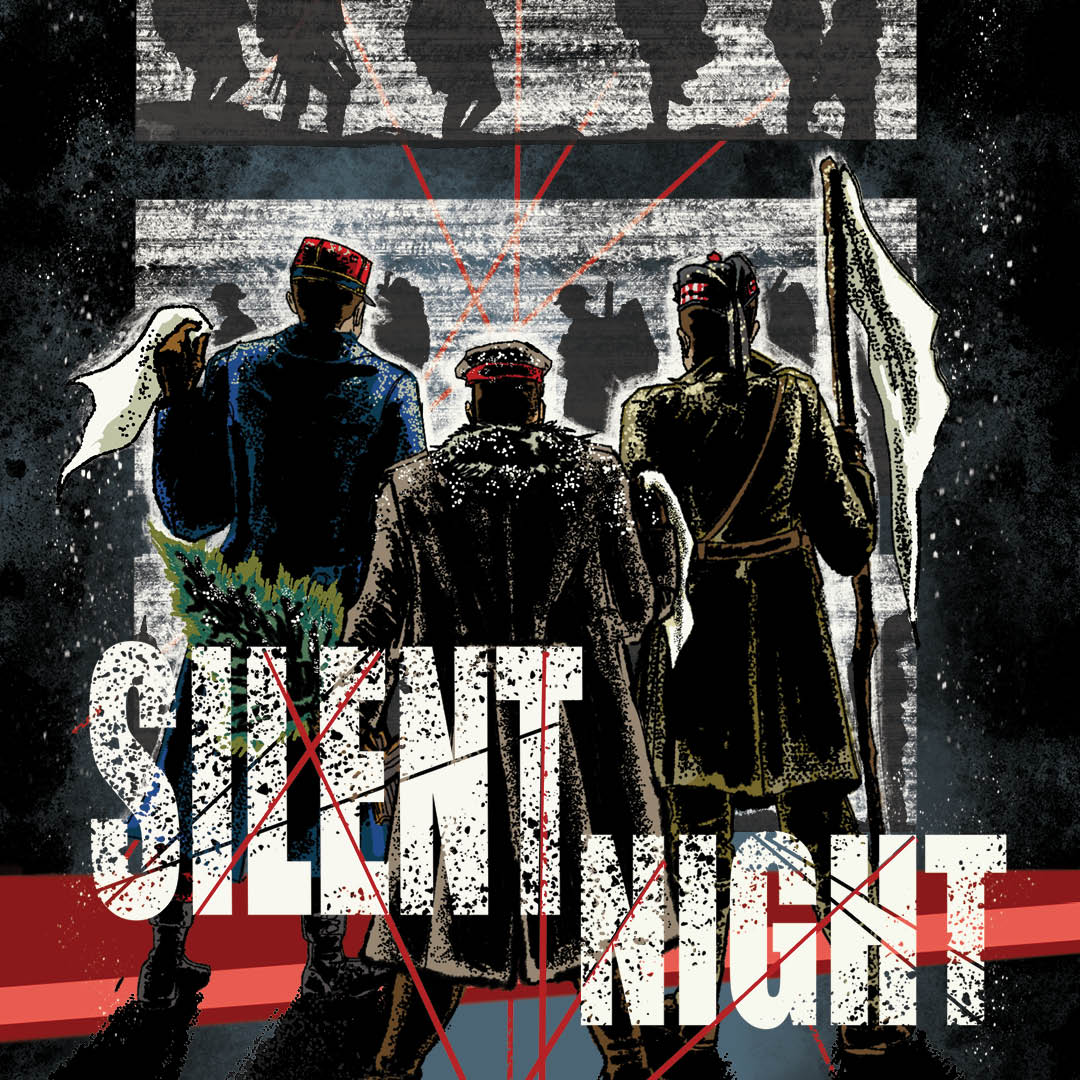
Silent Night
Kevin Puts, composer
Mark Campbell, librettist
- Gun Violence and Simulated Wartime Violence
- Opening battle sequenced with staged violence and audible onstage theatrical firearm effects
- In Act I, there is the use of theatrical stage blood on the hands and bodies of soldiers
- Gunshot Effects
- Throughout the production, audible onstage theatrical firearm effects are used in addition to offstage pre-recorded sound cues.
- War trauma and grief
- Characters experience despair, bereavement, fear, and the psychological effects of combat
- Flashing/strobing lights and theatrical haze
- Flashing and strobing take place during the opening battle sequence
- Theatrical haze and smoke continue throughout the production
- Alcohol
- Soldiers are shown receiving and drinking such things as whiskey, beer, and wine
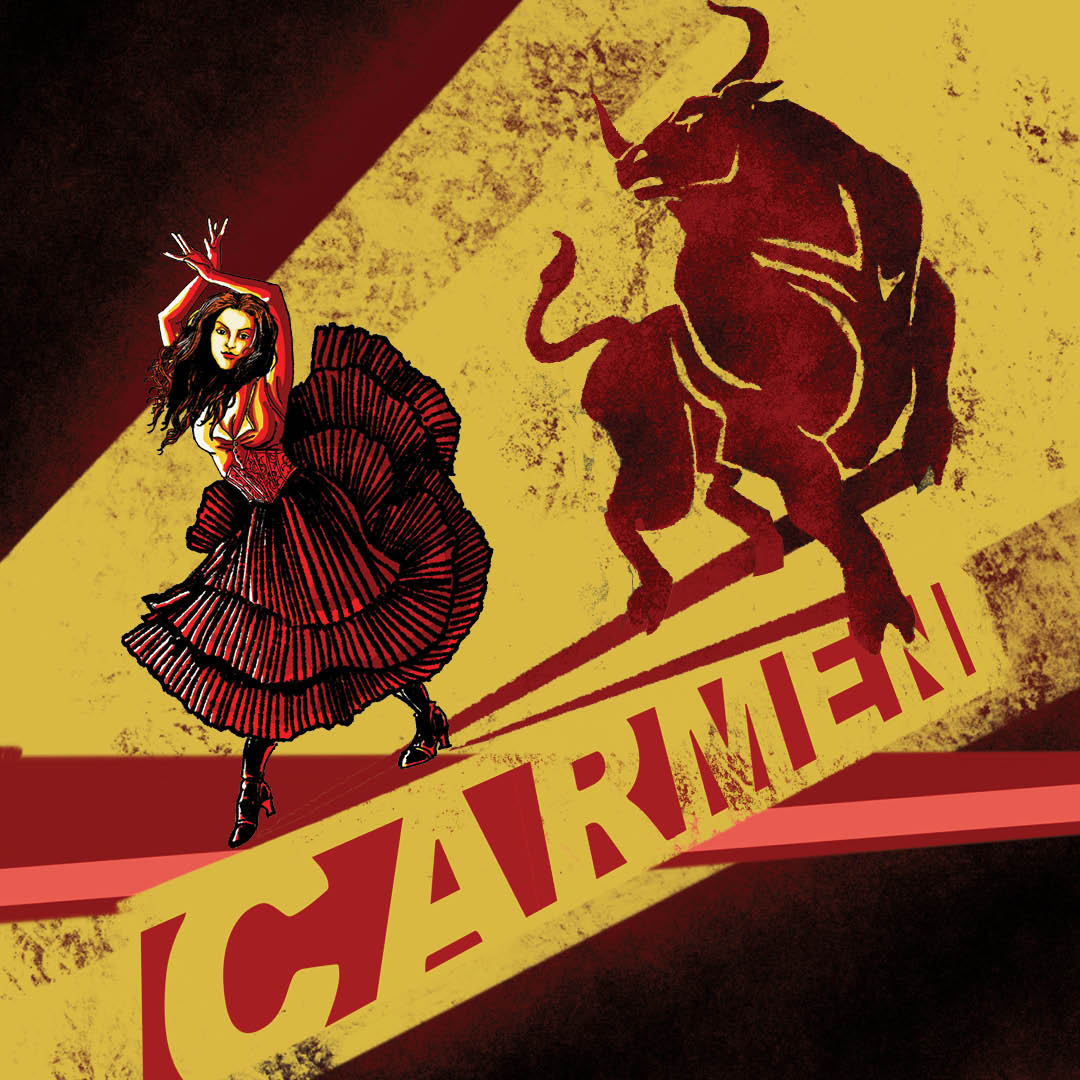
Carmen
Georges Bizet, composer
Henri Meilhac & Ludovic Halévy, librettists
- Smoking
- Cigarette smoking is depicted particularly in Act I and throughout the production
- Domestic/intimate-partner violence
- Don Jose becomes increasingly obsessive and physically controlling of Carmen throughout the course of the opera
- Simulated murder/death
- Carmen is killed onstage by Don Jose at the conclusion of the opera
- Sexual Themes
- Female presenting characters are often hyper sexualized and the story involves themes of seduction, sexual attraction, jealously, and possessiveness
- Theatrical Haze
- Limited use of theatrical haze onstage throughout the production.
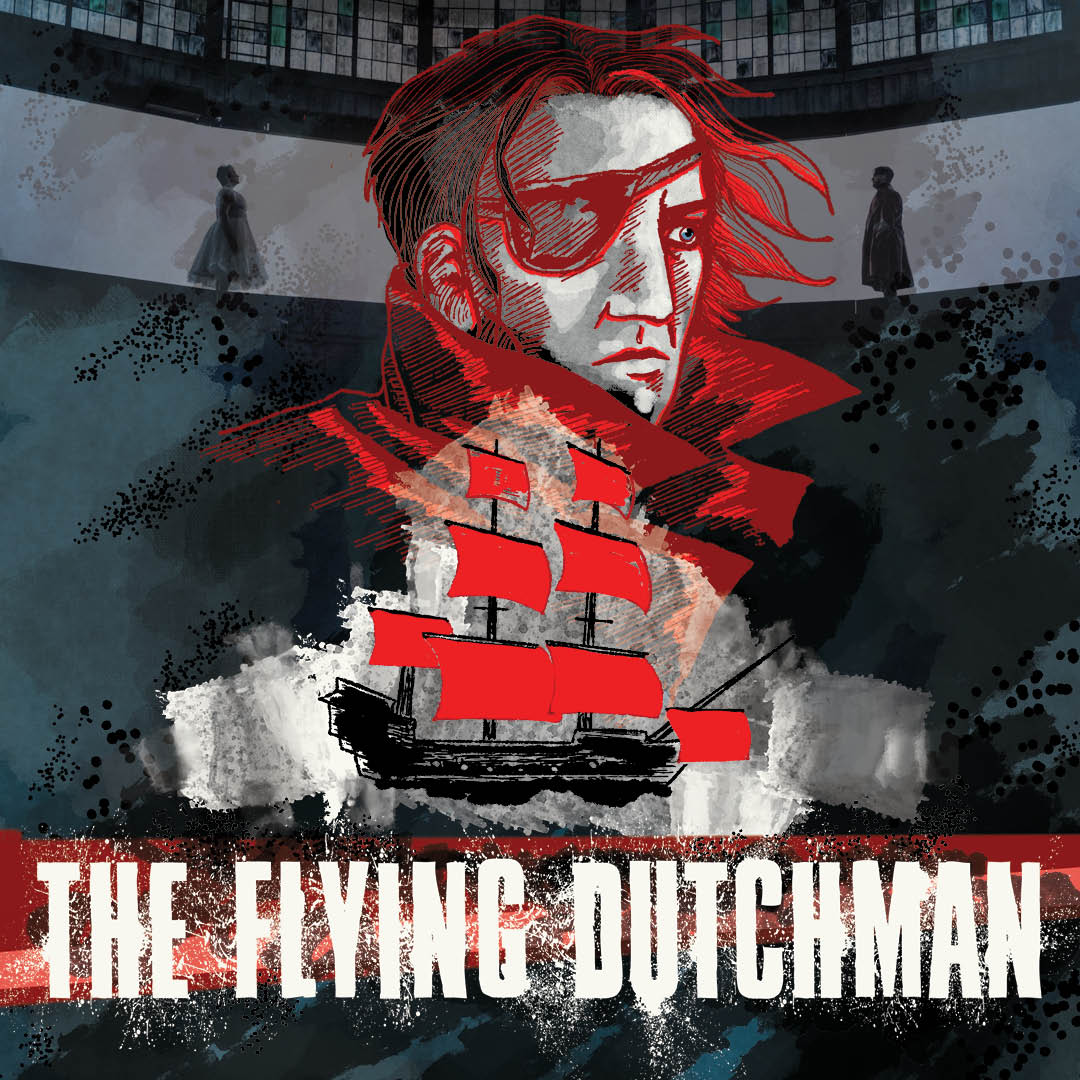
The Flying Dutchman
Richard Wagner, composer & librettist
- Simulated Suicide
- The conclusion of the opera depicts Senta, main character, throwing herself off from a great height to simulate suicide
- Supernatural/horror imagery
- A cursed ghost ship, video depictions of undead/ghost sailors and storm sequences evoking damnation
- Flashing/strobing lights and theatrical haze
- Flashing and strobing take place during multiple storm sequences
- Theatrical haze and smoke continue throughout the production
- Loud/Sonically intense Music
- Wagner scores can be extremely loud and sonically intense
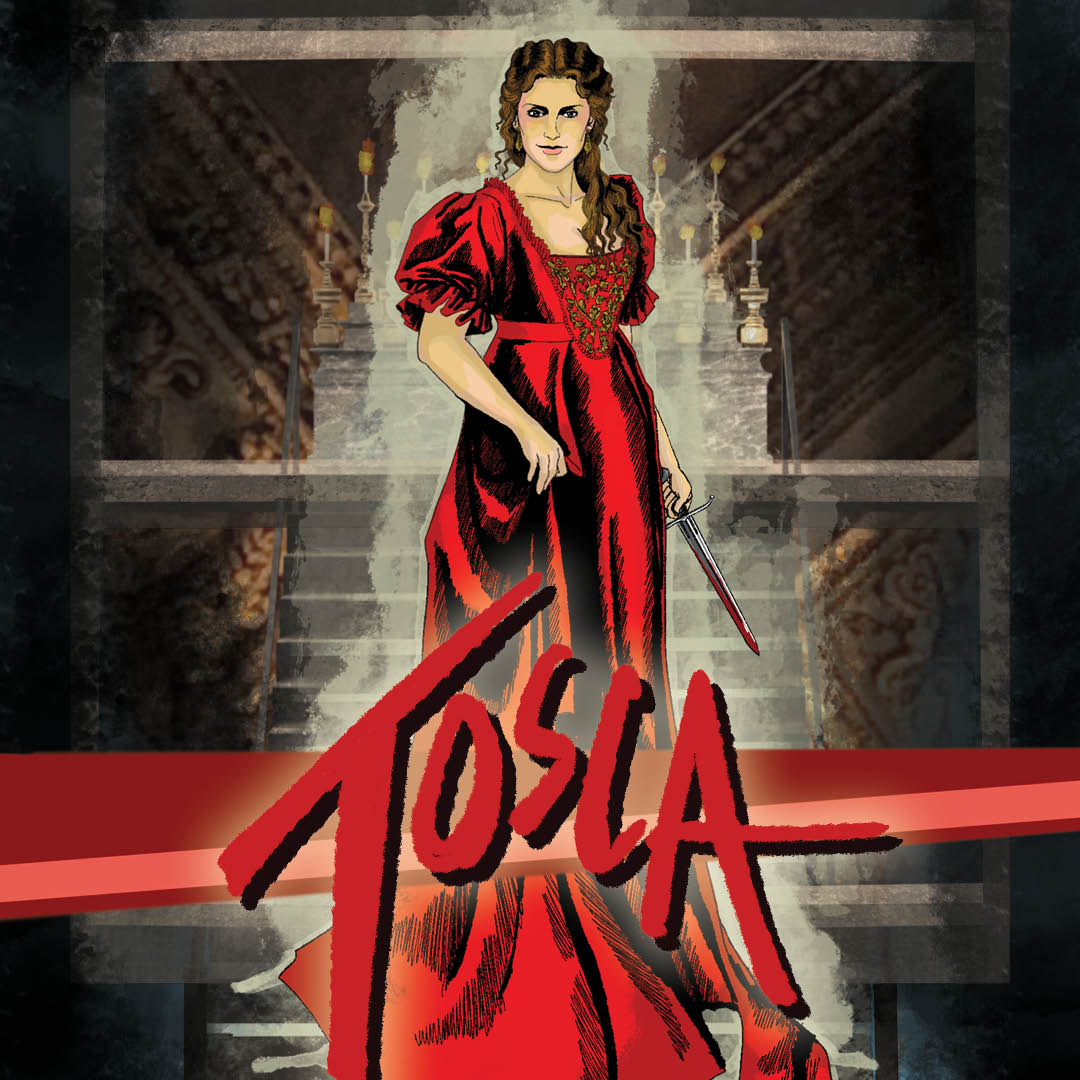
Tosca
Giacomo Puccini, composer
Luigi Illica & Giuseppe Giacosa, librettists
- Sexual Assault
- In Act II, Scarpia is often depicted getting physically controlling and forcing Tosca to submit to his advances
- Simulated Murder
- In Act II, Tosca stabs Scarpia to death often depicted in a violent manner
- Torture/Execution
- In Act II and Act III, there are moments of simulated physical torture. In the middle of Act III, Cavaradossi is condemned to death and shot by firing squad
- Gunshot Effect
- In Act III a firing squad condemns Cavaradossi to death, often depicted with onstage theatrical firearms (at a minimum the use of a pre-recorded firing squad sound effect).
- Simulated Suicide
- The end of the opera depicts Tosca jumping to her death from a great height
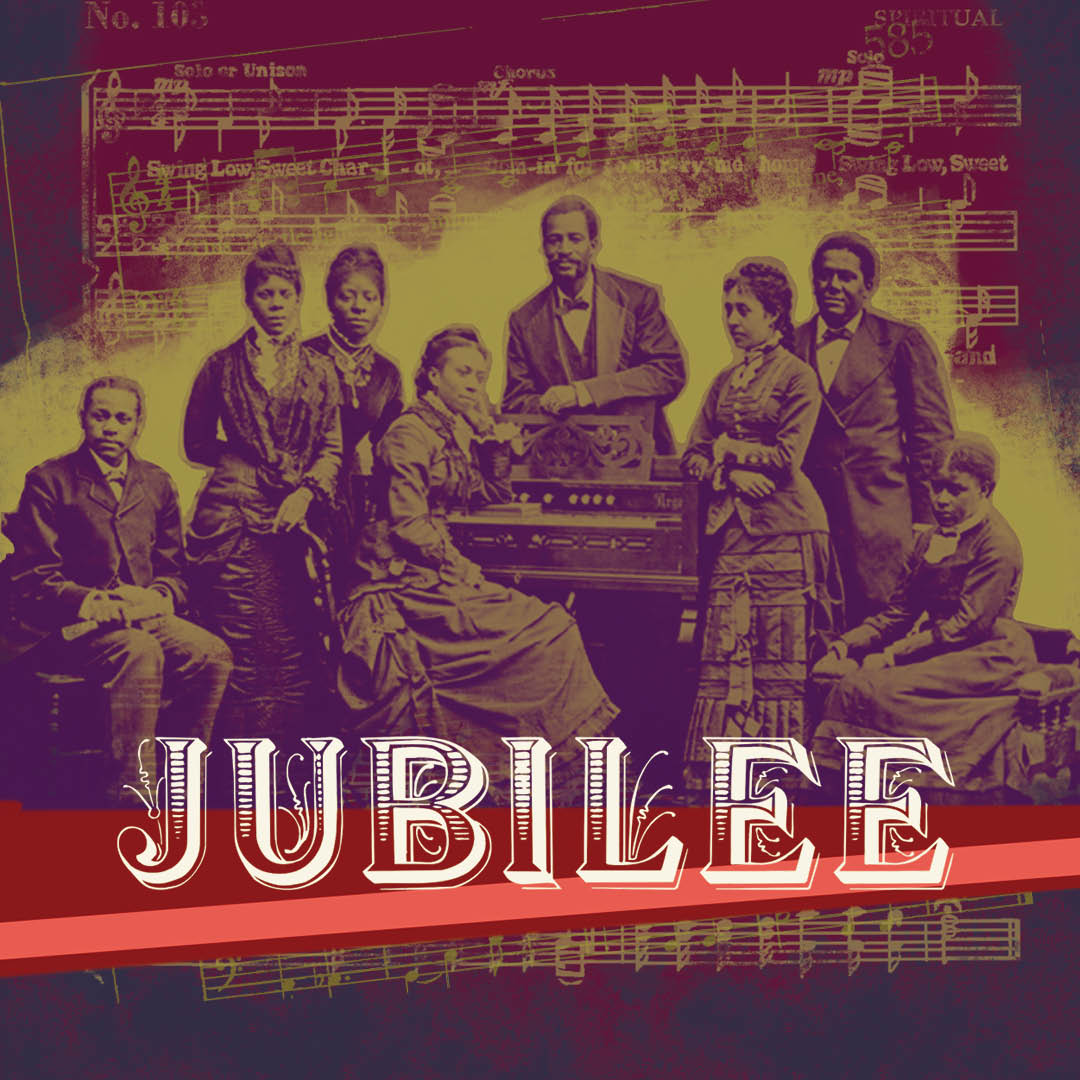
Jubilee
Tazewell Thompson, creator & director
Dianne Adams McDowell, vocal arranger + additional music and lyrics
- Themes of Racism and racial oppression
- The central subject is the experience of Black students shorty after the Civil War and their encounters with racism
- Racist Language
- Racist terminology/slurs may be spoken or sung during the production
- Racist Violence/depictions of violence
- Through spoken/sung text and the occasional visual projection, depictions of racist actions and violence are depicted and discussed towards specific characters in the opera.